Table of Contents
The Evolution of IPTV in 2026
The IPTV landscape has shifted dramatically over the past two years. While 4K was once considered a premium luxury, it is now the baseline expectation for any serious sports fan or cinema enthusiast. But as bandwidth increases and 8K displays become more affordable, the core issue plaguing the industry remains the same: Stability.
Most standard providers simply resell overburdened server streams. This results in the dreaded "buffering wheel of death" right when a striker is about to take a penalty kick, or during the climax of a blockbuster movie.
Why Anti-Freeze Technology is Mandatory
Kemo IPTV took a different approach by investing heavily in proprietary Anti-Freeze Technology. This isn't just a marketing buzzword; it's a complex global network of over 200 edge servers designed specifically for load-balancing video data.
Kemo IPTV vs. The Rest: The Benchmarks
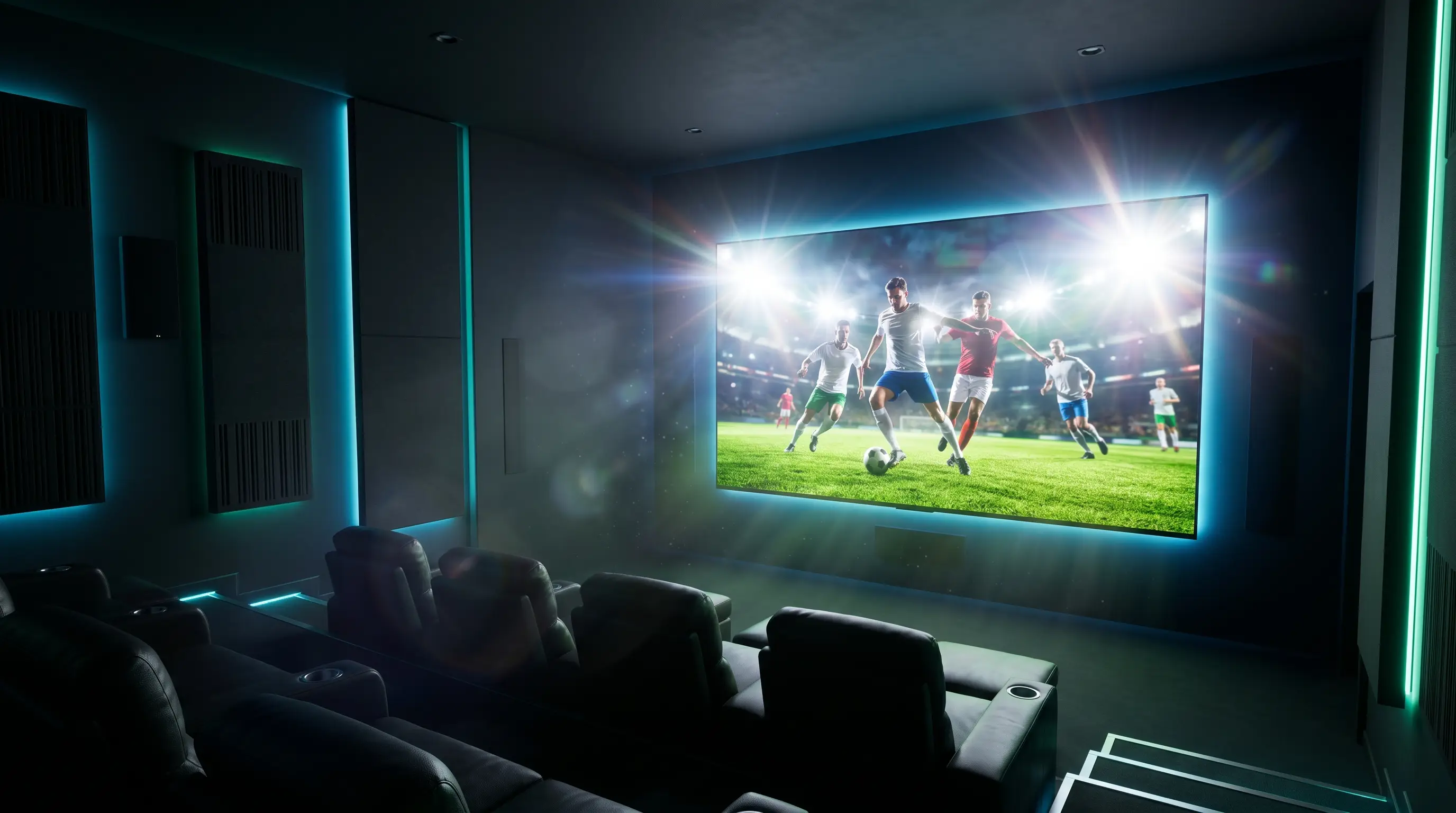
We recently ran a stress test during a major European soccer final. We compared Kemo IPTV against three top-tier competitors. The results were telling:
- Competitor A: Experienced 4 buffering events lasting over 10 seconds.
- Competitor B: Stream quality degraded from 4K to 720p dynamically to maintain the stream.
- Kemo IPTV: Maintained a flawless 4K 60fps stream from kickoff to the final whistle with zero buffering events.
Final Verdict
If you're tired of missing critical moments due to unreliable streams, it's time to upgrade. The difference between a standard IPTV reseller and a premium provider with dedicated infrastructure is night and day.
Ready to see the difference for yourself? You can try Kemo IPTV completely risk-free.